
Stretch Marks
Stretch marks are common and are typically caused by a stretching or tearing of the surface of the skin. Typical areas for stretch marks include the upper arms, breast, stomach, buttocks, hips and thighs.
The signs of new stretch marks on the skin are marks that are red or purple in colour. Over time, the colour reduces, and they become white in appearance.
The structure of our skin
The epidermis of our skin, the visible layer is made from several layers of cells. It functions as a barrier to the underlying skin tissue. The epidermal cells are created at the bottom layer and gradually push through replacing old, dead skin cells that shed. Our epidermis contains the melanin which is the pigment that creates the colour of our skin.
Under the epidermis of our skin is the dermis. This deep layer of skin contains our nerves, blood vessels, hair follicles, sweat glands and sebaceous glands. The dermis is made up of two fibres collagen, which gives skin strength and elastin which gives skin elasticity.
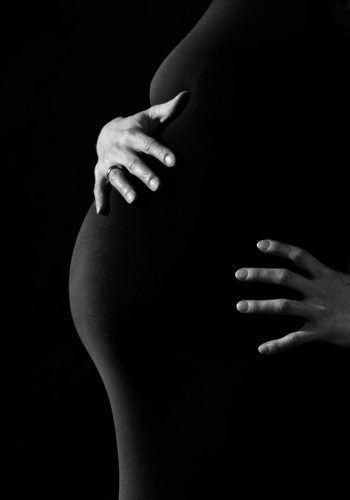



Common causes can be pregnancy, muscle building, weight fluctuations, and surgical implants, as these can cause strain on the skin.
Other causes of stretch marks could be the result of:
- Rapid fluctuations in weight
- Genetics
- Growth spurts
- Hormonal imbalances
While our skin is made up of collagen and elastin, the dermis however, is not prepared to cope with large amounts of stress from sudden changes in body mass. The overstretching of the skin causes the dermis fibres to break down, resulting in the blood vessels in the skin tissue to become visible and creating the stretched mark on the skin.
A stretch mark can be formed on the skin when:
- The skin is stretched due to tissue expansion
- The body produces an inflammatory reaction which creates the early appearance of red and purple coloured marks
- The inflammation gradually heals and is replaced with scar tissue. The scar tissue is a much thinner epidermis due to the loss of elastin and collagen
- The stretch mark appears as white or silver in appearance and is permanent on the skin
At Pearl Aesthetics, we can use a combination of treatments to target and reduce the appearance of pigmentation. There are some beneficial at home techniques we will suggest you do to help enhance your treatment results:
- Maintain a healthy weight
- Maintain a daily moisturising skincare routine
- Eat a balanced diet and stay hydrated
We hope this helps. If you have any other questions which aren’t listed, please feel free to email us at vd@pearlaesthetics.co.uk and we will get in touch with you as soon as we can. Aesthetics is our passion we love sharing our knowledge and expertise with our clients.
ANY QUESTIONS OR WORRIES YOU MAY HAVE PLEASE EMAIL THE CLINIC AT: vd@pearlaesthetics.co.uk
Treatments
PRP For Stretch Marks
Typical areas treated with PRP for stretch marks include the upper arms, breast, stomach, buttocks, hips and thighs.
How can I book a consultation?

Use our online booking system to schedule your consultation slot. Please be aware that we charge a £50 deposit for all consultations and appointments across the entire range of treatments we offer. Your deposit will be deducted from your treatment fee.
If you are an existing client requiring a top-up treatment or a post treatment review, your consultation is free. If your booking request is not classified as an existing client for a “top up” or “post treatment review”, unfortunately the appointment will be automatically cancelled or simply changed into a consultation booking.
The £50 deposit can be carried forwards towards a future appointment, as long as 72 hours’ notice is given.
Appointment cancellations are only accepted with 72 hours’ notice. The deposit is non-refundable, but it can be moved to another booking.
Thank you for your understanding and compliance.

ANY QUESTIONS OR WORRIES YOU MAY HAVE PLEASE EMAIL THE CLINIC AT:
or get in touch below.